
Plan Now or Pack Twice Later
Every box you pack is a decision. Moving out just happens to force more of them, all at once, than almost anything else in life.
Most of us live with clutter for years without ever fully confronting it. We walk past the same overflowing closet, the same junk drawer, the same box of "I'll deal with this eventually" and somehow never deal with it.
Then a move gets scheduled, and suddenly everything has to be touched, decided on and either packed or let go. It's overwhelming, but it's also an opportunity that almost never shows up any other time.
Here's how to use a move as the decluttering reset it's built to be, instead of just hauling the same clutter into a new address.
Why Moving Forces the Decisions You've Been Avoiding
There's a reason people declutter more effectively during a move than during a random Saturday at home. Every single item has to be physically handled, and that handling forces a decision: pack it, donate it, or toss it.
At home, clutter can sit untouched indefinitely. During a move, it can't. That built-in urgency is uncomfortable, but it's also incredibly effective. Use it instead of fighting it.
The Cost of Skipping This Opportunity
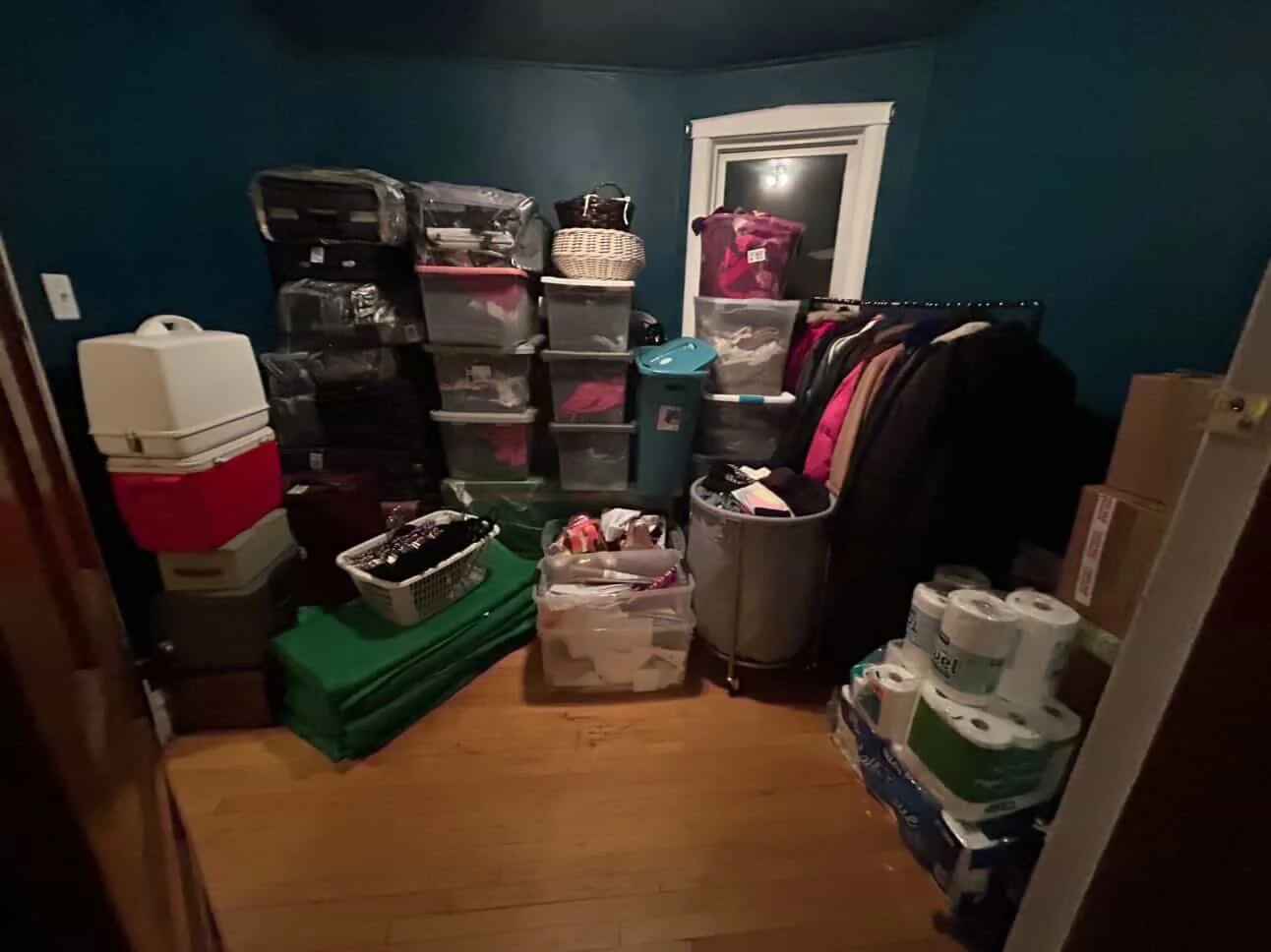
Skipping the decluttering step during a move doesn't make the clutter disappear, it just relocates it. Boxes packed without a second thought get unpacked into the new space exactly as cluttered as they left the old one.
This means paying to move things you don't want, spending time unpacking things you'll eventually get rid of anyway and starting life in a new space already carrying old weight. A move without decluttering is a missed reset, not a fresh start.
The Pack-First-Sort-Never Trap
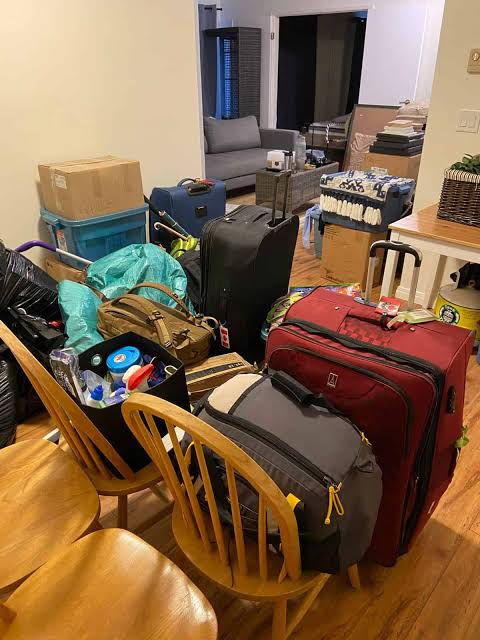
A common mistake is packing everything first with a plan to "sort it out later" once you're settled. In practice, later rarely comes. Boxes get stacked in a garage or closet in the new home and stay sealed for months, sometimes years.
If sorting doesn't happen before the box gets taped shut, it's much less likely to happen after. The best time to make a keep or let go decision is the moment an item is in your hands, not after it's already been packed and forgotten.
A Room-by-Room Approach That Actually Works
Trying to declutter an entire home at once usually leads to overwhelm and half-finished piles. A room-by-room approach keeps the process manageable and prevents burnout halfway through.
Start with the lowest-stakes room, a linen closet or bathroom cabinet, to build momentum before tackling emotionally harder spaces like a childhood bedroom or a shared closet. Save sentimental items for last, when you have the clearest head and the most energy left to make thoughtful decisions.
A Simple Framework for Deciding What Makes the Move
For anything you're unsure about, ask these four questions before it goes in a box.
Have I used this in the last year?
Would I buy this again today if I didn't already own it?
Does this fit the life I'm moving into, not just the one I'm leaving?
Am I keeping this out of guilt or genuine use?
If the answers point toward guilt, "just in case," or a life you've already outgrown, that item likely doesn't need to make the trip.
Starting Fresh, Not Just Starting Over
A new home is a genuine chance to reset, not just relocate the same version of your old space. What you choose to bring with you says as much as what you choose to leave behind.
Moving out won't be the only chance you get to declutter, but it's one of the most natural and effective ones. Use it fully, and your new space starts exactly the way you want it to: light, intentional, and yours.
Facing a move and not sure where to start? Visit sloanyco.com to learn more about our packing, unpacking and junk removal services and book your free consultation with SloanyCo today.
