
Plan Now or Pack Twice Later
Nothing forces a decision like packing a box. Moving out isn't just a hassle, it's the best decluttering opportunity you'll get all year.
Every box you pack is a decision. Moving out just happens to force more of them, all at once, than almost anything else in life.
Most of us live with clutter for years without ever fully confronting it. We walk past the same overflowing closet, the same junk drawer, the same box of "I'll deal with this eventually" and somehow never deal with it.
Then a move gets scheduled, and suddenly everything has to be touched, decided on and either packed or let go. It's overwhelming, but it's also an opportunity that almost never shows up any other time.
Here's how to use a move as the decluttering reset it's built to be, instead of just hauling the same clutter into a new address.
Why Moving Forces the Decisions You've Been Avoiding
There's a reason people declutter more effectively during a move than during a random Saturday at home. Every single item has to be physically handled, and that handling forces a decision: pack it, donate it, or toss it.
At home, clutter can sit untouched indefinitely. During a move, it can't. That built-in urgency is uncomfortable, but it's also incredibly effective. Use it instead of fighting it.
The Cost of Skipping This Opportunity
Skipping the decluttering step during a move doesn't make the clutter disappear, it just relocates it. Boxes packed without a second thought get unpacked into the new space exactly as cluttered as they left the old one.
This means paying to move things you don't want, spending time unpacking things you'll eventually get rid of anyway and starting life in a new space already carrying old weight. A move without decluttering is a missed reset, not a fresh start.
The Pack-First-Sort-Never Trap
A common mistake is packing everything first with a plan to "sort it out later" once you're settled. In practice, later rarely comes. Boxes get stacked in a garage or closet in the new home and stay sealed for months, sometimes years.
If sorting doesn't happen before the box gets taped shut, it's much less likely to happen after. The best time to make a keep or let go decision is the moment an item is in your hands, not after it's already been packed and forgotten.
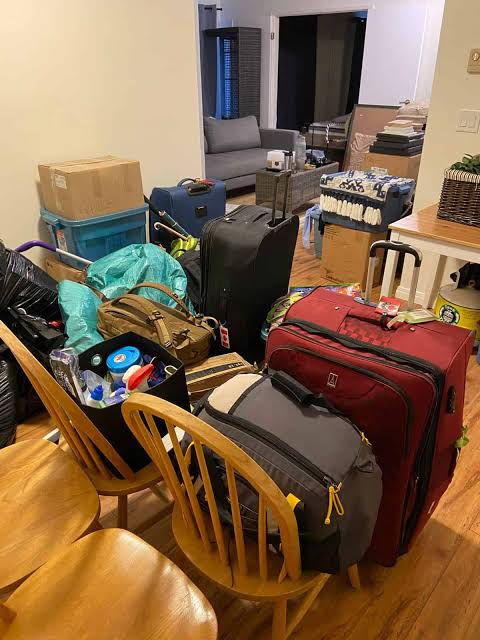
A Room-by-Room Approach That Actually Works
Trying to declutter an entire home at once usually leads to overwhelm and half-finished piles. A room-by-room approach keeps the process manageable and prevents burnout halfway through.
Start with the lowest-stakes room, a linen closet or bathroom cabinet, to build momentum before tackling emotionally harder spaces like a childhood bedroom or a shared closet. Save sentimental items for last, when you have the clearest head and the most energy left to make thoughtful decisions.
A Simple Framework for Deciding What Makes the Move
For anything you're unsure about, ask these four questions before it goes in a box.
Have I used this in the last year?
Would I buy this again today if I didn't already own it?
Does this fit the life I'm moving into, not just the one I'm leaving?
Am I keeping this out of guilt or genuine use?
If the answers point toward guilt, "just in case," or a life you've already outgrown, that item likely doesn't need to make the trip.
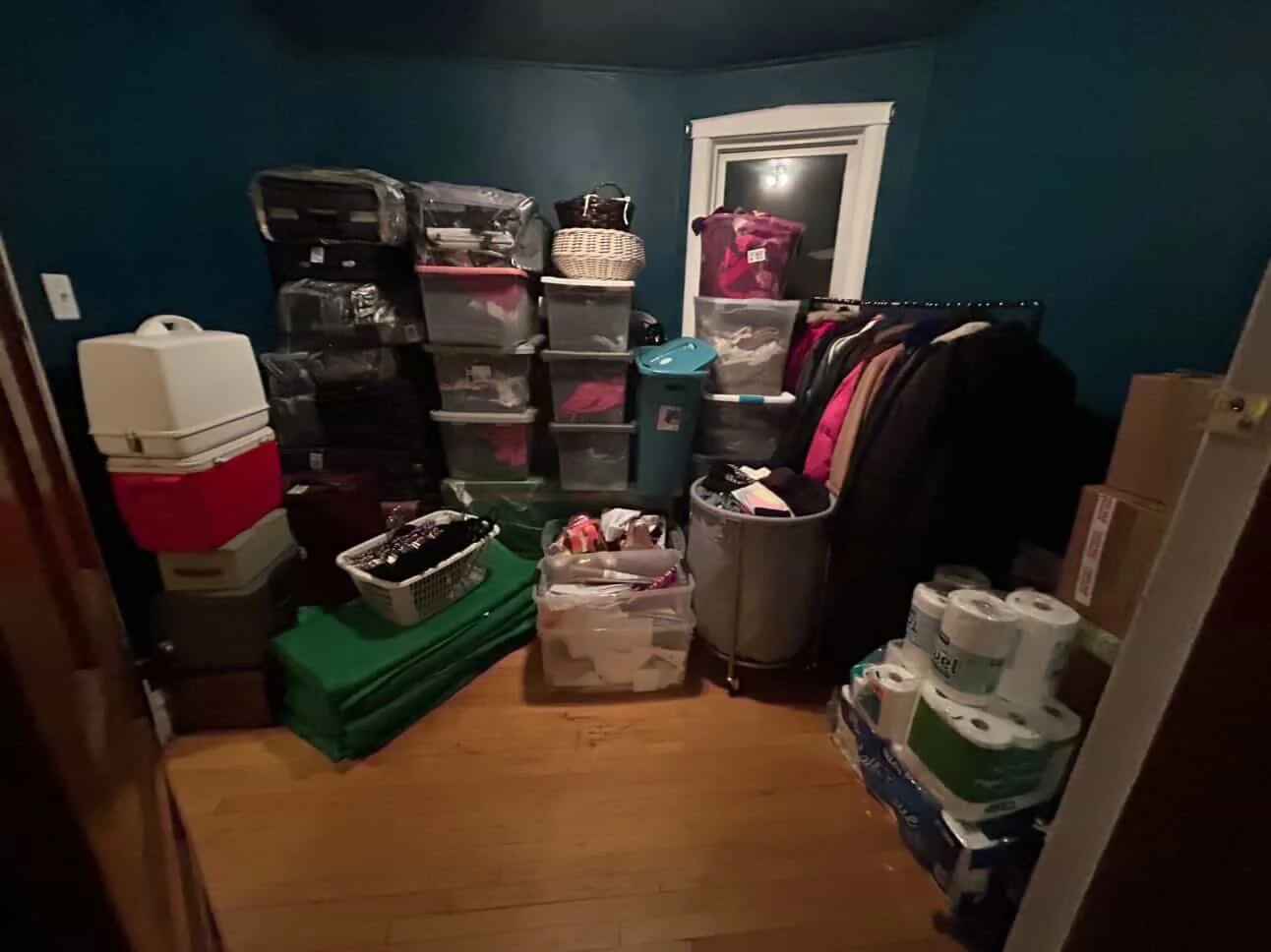
Starting Fresh, Not Just Starting Over
A new home is a genuine chance to reset, not just relocate the same version of your old space. What you choose to bring with you says as much as what you choose to leave behind.
Moving out won't be the only chance you get to declutter, but it's one of the most natural and effective ones. Use it fully, and your new space starts exactly the way you want it to: light, intentional, and yours.
Facing a move and not sure where to start? Visit sloanyco.com to learn more about our packing, unpacking and junk removal services and book your free consultation with SloanyCo today.
How to Stop Re-Cluttering After You've Organized
Organizing a space is only half the work. Keeping it that way is a whole different skill, and it's one anyone can learn.
You cleared the space, felt the relief and a few weeks later it's back. Here's why re-cluttering happens and how to build a system that actually holds.
There's a specific kind of defeat that comes when you open a closet or drawer you recently organized, only to find it's slipped right back into chaos. It's easy to take that personally, to assume you're just not a "naturally organized" person or that the clutter is somehow your fault.
It isn't. Re-cluttering is one of the most common and most predictable outcomes of organizing, and it has almost nothing to do with willpower. It has everything to do with whether the system you built actually fits how you live.
In this post, we will walk through why spaces re-clutter, what's usually happening underneath the surface and a simple framework you can use to build a system that holds long after the initial burst of motivation fades.
Why Re-Cluttering Happens
Clutter rarely creeps back in randomly. It tends to follow a few very consistent patterns, and once you can name the pattern, it becomes much easier to fix.
The most common cause is a system that doesn't match your real habits. A closet organized into a dozen perfectly labeled categories looks beautiful on day one, but if putting something away requires three extra steps it gets skipped the moment you're tired, rushed or distracted. The system was built for an idealized version of your routine instead of the one you actually live.
Another major factor is the absence of a "landing zone." Mail, keys, bags and everyday items need somewhere immediate to go the second they enter your home. Without a designated spot, they land wherever is closest, and that spot slowly becomes the new pile.
Items without a true home are the next culprit. When something has a general area instead of a specific spot, it becomes much easier to set down and much harder to put away. Specificity is what keeps a system usable under real-life conditions.
Finally, many spaces re-clutter simply because organizing was treated as a one-time event instead of an ongoing habit. A weekend of deep organizing creates order, but order without maintenance has an expiration date.
The Early Signs a System Isn't Holding
Re-cluttering rarely happens overnight. There are usually small warning signs weeks before a space fully slips back into chaos, and catching them early makes the fix much smaller.
A growing pile of "homeless" items on a counter or chair, things you haven't decided where to put yet, can be your first indicator. Next, your system may not be intuitive enough. Hesitation during the put-away process because you can’t remember where things go can work against you.
None of these moments mean the system has failed. They're just early feedback, and they're much easier to respond to before the space fully resets to its old state.
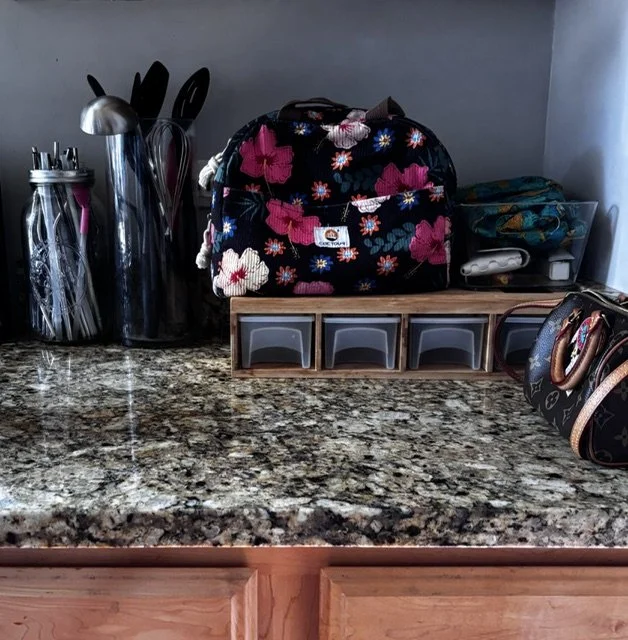
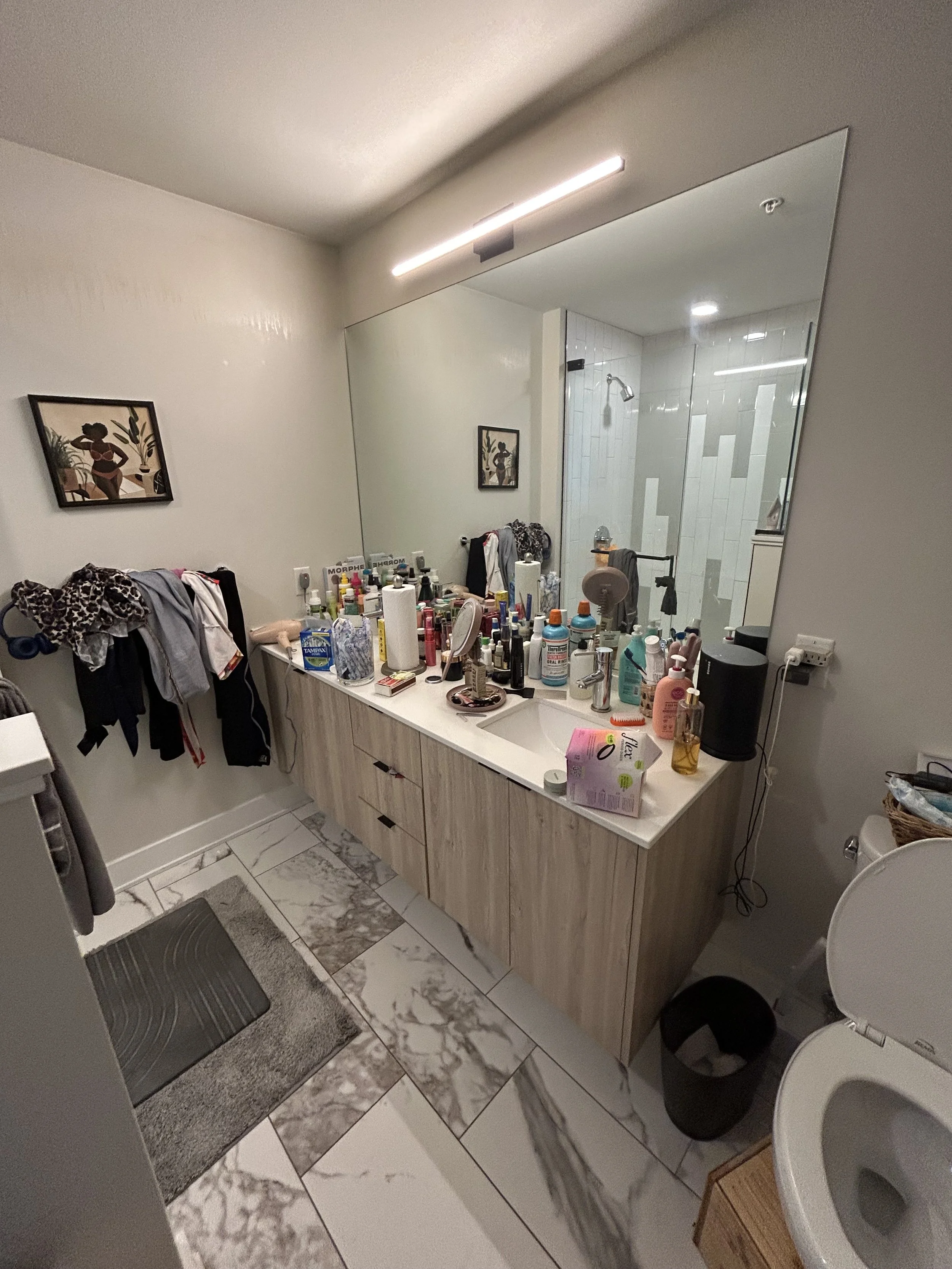
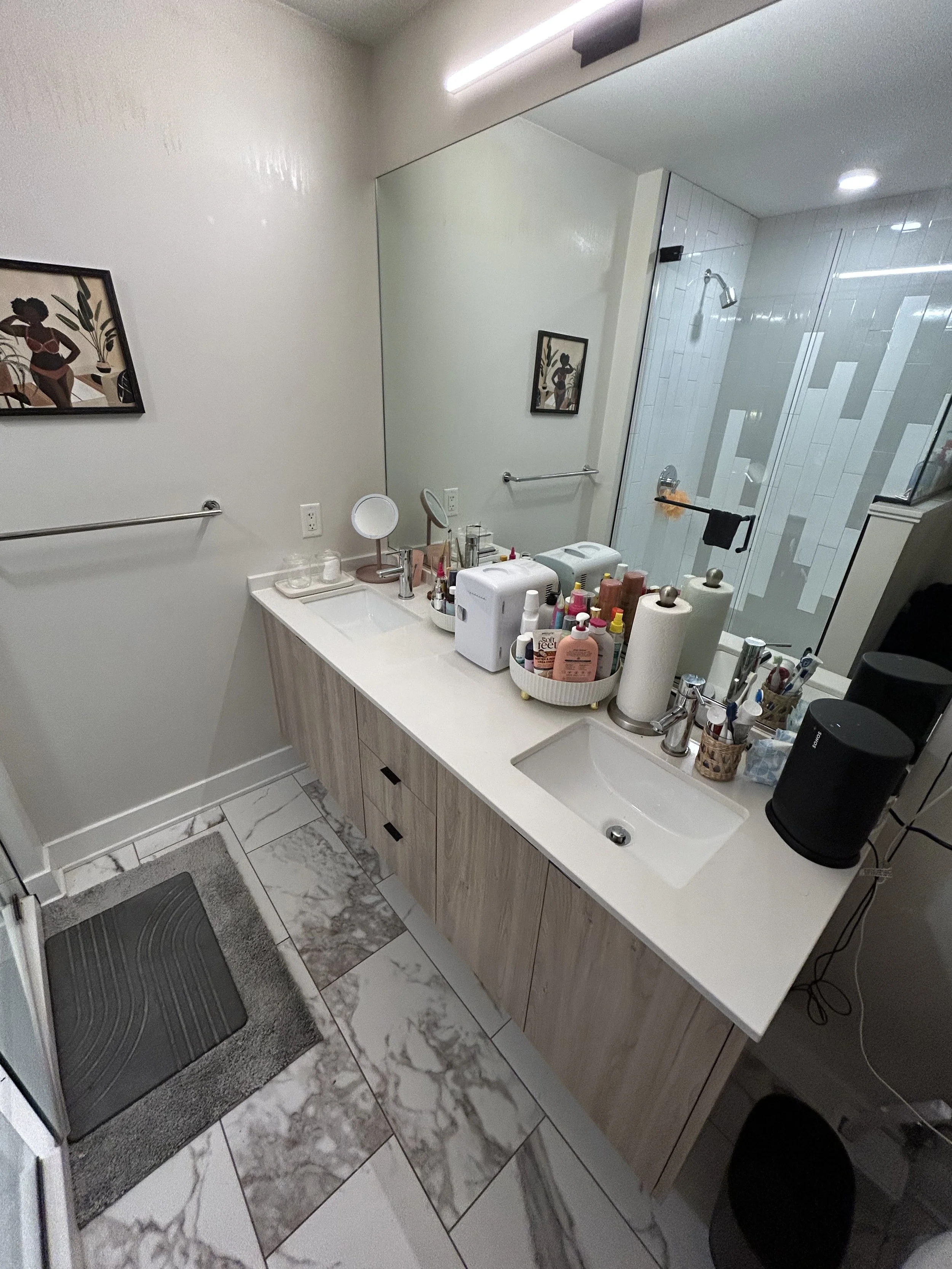
Pictured: My “Catch-All Counter”
This area is clear at the end of each day for a fresh restart the next day.
The Hidden Cost of "Just Doing It Again"
When a space re-clutters, the instinct is often to plan another big organizing session: clear the calendar, pull everything out and start over. That approach can work, but it comes with a hidden cost that's easy to overlook.
Every re-organizing marathon takes time, energy and mental bandwidth that a smaller, consistent system wouldn't require. When that big session inevitably slips (life gets busy, the weekend gets booked, the motivation fades) the space sits in limbo even longer, adding to the quiet mental weight of an unfinished project.
There's also an emotional cost. Each cycle of organizing and re-cluttering can chip away at your confidence, making it feel like the problem is you rather than the system. It isn't. A system that requires a full reset every few months isn't really a maintenance plan, it's just another big project waiting to happen.
The goal isn't to organize harder. It's to organize in a way that requires almost no ongoing effort to sustain.
A Simple Framework for Building a System That Holds
If a space keeps re-cluttering, try asking yourself these four questions.
Does putting things away take fewer steps than leaving them out?
Does every item in this space have one specific home, not just a general area?
Is there a landing zone for the things that enter this space daily?
Am I checking in on this system regularly or only when it's already fallen apart?
If your answers point to extra steps, vague homes, missing landing zones or long stretches without a check-in, that's exactly where the system needs adjusting. None of these fixes require a full weekend. Most take minutes.
You Don't Have to Get It Perfect the First Time
A space re-cluttering isn't proof that organizing doesn't work for you. It's information. It's your home telling you, very specifically, which part of the system doesn't quite fit yet.
Small daily resets, specific homes for every item and a system built around your real habits will hold far longer than a single ambitious overhaul ever could. Progress here isn't about getting it perfect on the first try, it's about noticing what slips and making a small adjustment instead of starting from zero.
At SloanyCo, this is exactly the kind of work we help with, not just clearing a space once, but building a system that's actually built to last. Whether you need help organizing a space for the first time or reworking one that hasn't stuck, we're here for it.
Ready to build a system that actually holds? Visit sloanyco.com to learn more about our services and book your free consultation with SloanyCo today.
Your Environment Impacts Your Sleep
You do everything you are supposed to do. You put down your phone. You try to wind down. But sleep still feels far away. Before you blame your stress levels or your schedule, take a look around your bedroom. Your environment might be more responsible than you think.
Most conversations about sleep focus on habits: no screens before bed, keep a consistent schedule, avoid caffeine after noon. While those things matter, there is a piece of the sleep puzzle that often gets overlooked entirely: the physical space where you sleep.
Your bedroom environment has a direct impact on your ability to fall asleep, stay asleep and wake up feeling rested. Clutter, visual noise, disorganization and even the layout of your furniture all send signals to your nervous system. And when those signals say "this space is unsettled," your body has a harder time settling too.
What Your Brain Does in a Cluttered Bedroom
Your brain is always scanning your environment, even when you are trying to rest. In a cluttered bedroom, it picks up on unfinished business. The pile of laundry that needs sorting. The stack of things on the nightstand with no real home. The closet door you keep closed because opening it feels like too much.
Each one of these cues registers as an unresolved task. And unresolved tasks are one of the things your brain works hardest to hold onto. When you lie down at night surrounded by visual reminders of things that need attention, your mind has a harder time shifting into the quiet, restful state that sleep requires.
The Bedroom as a Signal
Your body is incredibly responsive to environmental signals. Light, temperature, sound and visual input all play a role in how your nervous system reads a space. A bedroom that feels calm and intentional sends a signal that it is safe to rest. A bedroom that feels chaotic or overwhelming sends a very different message.
This is why our sleep matters. Your bedroom should be a space your body associates with rest and restoration, not with the unfinished business of the rest of your life. When clutter and disorganization blur that boundary, the space stops doing its job.

Pictured: My Bedroom. I don’t just talk the talk, I walk the walk.
Small Changes That Make a Real Difference
You do not have to overhaul your entire bedroom to feel the difference. Here are a few places to start:
Your Nightstand: The surface closest to where you sleep has an outsized effect on how your brain reads the room. A cluttered nightstand keeps unfinished business right at eye level. A clear one creates a small but real pocket of calm.
Your Floor: Clothes, bags, and random items on the bedroom floor create low-level visual noise that is hard to escape when you are lying down. Even gathering things into one organized spot can shift the feel of the room.
Your Closet: A closet stuffed to the point of chaos sends stress signals every time you open it, and sometimes even when you do not. A basic sorting session, keeping only what you regularly use visible and accessible, can change the energy of the whole room.
Horizontal Surfaces: Dressers, shelves, and window sills that are covered in objects give your eyes nowhere to rest. Choose a few things that are meaningful or functional and clear the rest.
This Is Not About Perfection
A calmer sleep environment does not mean you need to have a magazine-perfect bedroom. It means a space where you can breathe, the visual input is gentle instead of demanding and where your body gets the signal that it is okay to let go for the night.
If your bedroom has felt more like a storage room than a sanctuary, you are not alone. Life piles up and decisions get deferred. The bedroom often takes the hit because it is the most private space in the home, the one we think no one else will see.
But you see it. You live in it every night. And you deserve to sleep in a space that is actually on your side.
Where to Start Tonight
Pick one small thing. Just one. Clear your nightstand, pick up what is on the floor, or move one pile somewhere it actually belongs. You are not solving everything tonight. You are just making the room a little more yours.
Sleep is not a luxury, it is a foundational pillar of your health. Your environment is either supporting it or quietly working against it so let's make it work for you.
Ready to reclaim the sleep your space has been costing you? Visit sloanyco.com to learn more about our mental health-focused organizing services and book your free consultation with SloanyCo today.
Decluttering for Different Personality Types
If you have ever tried a decluttering method that worked brilliantly for someone else but completely fell flat for you, this guide is for you. The best decluttering approach is the one that works with your natural tendencies, not against them.
Find the decluttering method that works with your brain, not against it.
Have you ever tried a decluttering method that worked brilliantly for a friend, a family member or someone you follow online, but completely fell flat for you? You are not doing it wrong, it’s wrong for you.
There is no single correct way to declutter. The organizing world is full of frameworks and systems, each with passionate advocates who swear by their particular approach. What those advocates rarely mention is that the reason their method worked so well for them is often that it happened to align naturally with how their mind works, how they process decisions and what motivates them to keep going.
In this post, we are going to explore four common personality types and the decluttering approaches that tend to work best for each one. The goal is not to put you in a box. It is to help you find a way that feels natural, sustainable and genuinely yours.
The Analytical Type: Give Me a System
If you love spreadsheets, logical frameworks and the satisfaction of a well-defined process, you are likely an Analytical Type. You do not struggle with making decisions when you have clear criteria to guide them. What overwhelms you is ambiguity, the open-ended, anything-goes approach that leaves you staring at a pile with no idea how to sort it.
The Category Method: Instead of going room by room, you tackle all items of one category at a time, collecting every book in the house before making any decisions, then every piece of clothing, then every kitchen item. This approach gives you a comprehensive view of exactly what you own in each category, which makes decision-making feel rational and evidence-based rather than arbitrary.
Set clear criteria before you start. What makes something worth keeping? Write it down. Having a concrete decision framework to refer to removes the emotional uncertainty from individual items and keeps the process moving forward with clarity and confidence.
The Creative Type: Let Me Curate
Creative Types often get stuck because they see potential in almost everything. The broken lamp could be repainted. The fabric scraps could become something. The random collection of items could be arranged into something interesting. This imaginative quality is genuinely wonderful in many areas of life, but it can make letting go feel like a defeat.
Curation, Not Elimination: Instead of asking what to remove, ask what you would choose. If you were building your ideal space from scratch with the items you already have, what would you choose to keep? Think of yourself not as someone getting rid of things, but as a curator designing an intentional collection. What deserves to be in this collection? What would you actively choose to include if you were starting fresh?
Creative Types also often do better with visual organization as they go. As items make the cut, arrange them intentionally. The emerging visual of a curated, beautiful space becomes its own motivation to keep going and keep editing. Seeing the space transform in real time feeds the creative energy that drives this type forward.

The Sentimental Type: Give Me Time
Sentimental Types have a deep relationship with the objects in their lives. Every item has a story. Every piece connects to a person, a moment or a version of themselves they treasure. For the Sentimental Type, decluttering is never just about stuff. It is about memory, identity and the very human desire to hold onto what has mattered.
Permission to Go Slow: Allow yourself permission to go slowly. Rushing through sentimental items or applying ruthless efficiency to things that carry emotional weight leads to regret, which then creates resistance to future decluttering. Set aside dedicated time for the emotionally heavy items, approach them with care and never force decisions when you are tired, stressed or grieving.
Practical tools help too. Photographing items before releasing them creates a digital archive of memories without the physical weight. Memory boxes are also a useful tool. Dedicate one box per meaningful chapter of life and keep only the most significant items. These boxes serve as contained, intentional and dedicated spaces for what matters most.
The Overwhelmed Type: Give Me a Starting Point
The Overwhelmed Type is not a permanent category. Most of us have been here, especially during high-stress periods, major life transitions or when the accumulated clutter has simply reached a tipping point. If looking at your space makes you want to close the door and pretend it does not exist, this section is for you.
Radical Simplicity: One bag. One drawer. One surface. One task with a clear endpoint. The goal is not to make significant progress on the whole space. The goal is to complete one small thing and experience the win that comes from finishing it. That win is the fuel for the next small step.
Removing the pressure of the whole project from the equation is equally important. You are not tackling the entire house today. You are tidying one drawer. The rest of the house is irrelevant for the next twenty minutes. This kind of contained, finite task removes the paralysis that an overwhelming whole creates and makes beginning feel genuinely possible.
The Best Method Is the One You Will Actually Use
The truth is, the best decluttering method is not the most popular or efficient one, it is the one that fits your actual brain, your actual life and your actual capacity right now. Every organizing framework eventually leads back to the best decluttering method that fits for you.
Give yourself permission to experiment. Try a different approach if the one you have been using is not working. Combine elements from different methods. Adapt, adjust, and keep going. At SloanyCo, we meet every client exactly where they are, and we help them find the way that works for them. If you are not sure where to start or which approach fits you best, that is exactly the kind of thing we love to figure out together.
Ready to find the decluttering approach that actually works for you? Visit sloanyco.com to learn more about our personalized organizing services and book your free consultation with SloanyCo today.
The 5-Box Method: Declutter Faster by Killing the Maybe Pile
Stuck staring at objects instead of decluttering? SloanyCo's 5-Box Method gives every item an instant home, so indecision never slows you down again.
A simple decision system that turns decluttering overwhelm into fast, confident, two-second calls.
If you’ve ever started a decluttering project only to watch your ‘keep’ pile grow bigger than your donate and toss piles combined, you’ve already experienced the first real obstacle in decluttering. It’s rarely the physical work, it’s the decisions. Every item forces a tiny negotiation: Keep it or let it go? Does it still matter? What if I need it later? Answer those questions with ‘keep’ fifty times in a row, and you haven’t decluttered anything. You’ve just relocated the same stuff.
The 5-Box Method exists to solve exactly that problem. It does not ask you to feel differently about your belongings. It gives every single item a fast and structured path to a decision, so you spend your energy decluttering instead of deliberating.
Meet Your Five Boxes
Before you touch anything, set up five clearly labeled boxes, bins or bags. This upfront step matters more than it seems: when the destinations already exist, your brain does not have to invent one for every item you pick up.
Keep: These are things you use, love, need and that already have a home in your space.
Donate: Items in good condition that someone else could use right now.
Trash or Recycle: Broken, expired or unusable items with nowhere else to go.
Relocate: Things that belong in a different room entirely; you are not deciding their fate, just getting them out of the way.
Undecided: The small, honest category for items you truly cannot sort in the moment.
Five boxes, five destinations, no exceptions. If an item does not obviously belong in Keep, Donate or Trash, it goes into Relocate or Undecided and you move on immediately.
The Two-Second Rule
Pick up an item. Ask yourself one question: which box does this belong in? Answer within two seconds, using your first instinct, and place it. Do not turn it over looking for a memory. Do not open it to check the contents again. Do not narrate a whole backstory in your head.
This feels uncomfortable at first, especially for sentimental or expensive items, but it is the entire point. Decision fatigue builds when you re-litigate the same object over and over. The two-second rule forces a single, fast, low-stakes decision and protects the rest of your energy for the next hundred items still waiting.
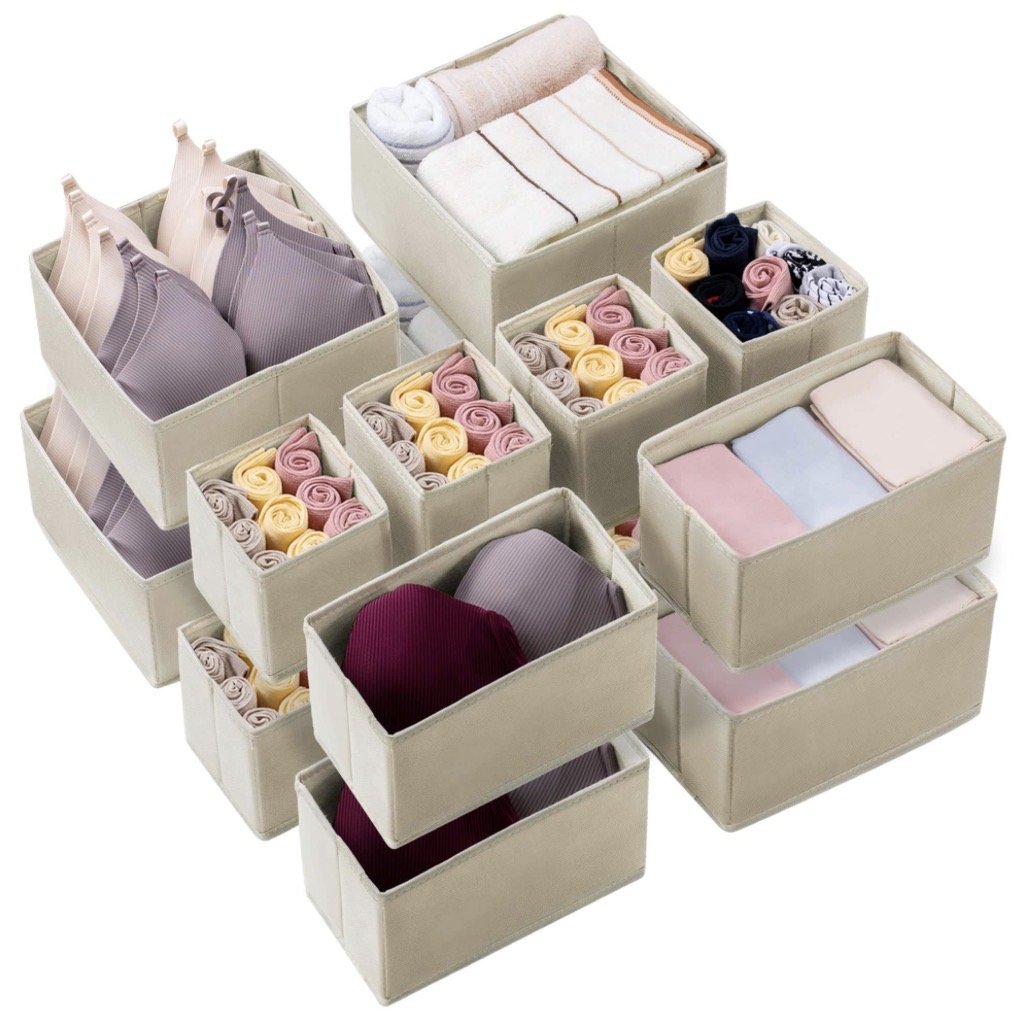
The Undecided Box Has a Deadline
Here is the rule that makes this method actually work instead of just relocating your clutter into a new box, the Undecided box gets a firm date, written on the outside in marker. Two weeks is usually enough.
If that date arrives and the box has not been reopened, it goes straight to Donate, unopened. No second review, no re-litigating. If you genuinely needed something in that box, you would have gone looking for it by now. This single rule is what prevents the Undecided box from quietly becoming a permanent storage unit for indecision.
Why This Works
Every decision you make, no matter how small, draws from the same limited mental reserve. Decluttering an entire room by making unstructured, open-ended choices about hundreds of items is one of the fastest ways to drain that reserve completely. This is why most people who start a big declutter end up quitting halfway through, not because the task got physically harder, but because the decisions did.
The 5-Box Method works because it replaces hundreds of unique decisions with one repeatable decision, made the same way every single time. That consistency is what keeps you moving, room after room, without the burnout that usually derails a decluttering project by lunchtime.
Start With One Shelf
You do not need to tackle your whole home to feel the difference. Choose one shelf, one drawer or one closet section. Label your five boxes, set a fifteen minute timer and move through every item using the two-second rule. By the time the timer goes off, you will have a finished space and a decision-making system you can carry into every room after it.
Ready to put the 5-Box Method to work in your space? Visit sloanyco.com to learn more about our organizing and junk removal services, and book your free consultation with SloanyCo today.
How Clutter Affects Anxiety and Stress Levels
Your clutter is not just an eyesore, it is actively contributing to your stress and anxiety levels. SloanyCo breaks down the science and gives you a practical path forward.
The science behind why your space affects how you feel, and what to do about it.
Have you ever walked into a cluttered room and felt immediate stress? You’re not imagining things. The connection between a disorganized environment and elevated anxiety is real, documented and more significant than most people realize.
We tend to think of clutter as a purely aesthetic problem, something that looks bad but does not really affect us beyond appearances. The state of our physical environment has a direct, measurable impact on our nervous system, our cortisol levels, our ability to focus and our overall mental health.
In this post, we are going to walk through exactly what is happening in your brain and body when you live with clutter, why some people are more affected than others and what you can do, starting today, to begin reducing the anxiety that a disordered environment creates.
What Clutter Does to Your Brain
Your brain processes visual information involuntarily and constantly. Every object in your environment is registered, catalogued and assessed, whether you are aware of it or not. In a cluttered space, the volume of the visual stimuli your brain is processing significantly increases and doesn’t stop just because you want to relax.
Physical clutter competes for your attention and reduces your brain's ability to process information and focus. This competition for cognitive resources is exhausting, it is why you can feel tired simply from being in a disorganized space, even if you have not done anything physically demanding.
Beyond focus and fatigue, clutter activates what researchers call a stress response. Your brain interprets an overwhelming, disorganized environment as a kind of threat, something that needs to be managed, resolved or escaped. This triggers the release of cortisol, your body's primary stress hormone, which contributes to feelings of anxiety, irritability and overwhelm.
The Cortisol Connection
Cortisol is your body's primary stress hormone, designed to help you respond to genuine threats and challenges. In short bursts, cortisol is useful and necessary. But chronically elevated cortisol, the kind that comes from ongoing environmental stressors like persistent clutter, is associated with a wide range of negative health outcomes, including disrupted sleep, impaired immune function, difficulty regulating emotions, weight gain and increased risk of anxiety and depression.
A landmark study published in the journal Personality and Social Psychology Bulletin found that women who described their homes as cluttered or unfinished had higher cortisol levels throughout the day than women who described their homes as restful and restorative. The clutter was not just stressful in the moment, it was producing a sustained physiological stress response over the course of each day.
The stress of clutter is not something you can simply think your way out of or decide not to feel. It is happening in your body whether you want it to or not. The most effective intervention is not changing your mindset about clutter, it is changing the clutter itself.

Why Some People Are More Affected Than Others
Not everyone experiences clutter-related stress to the same degree. Understanding why can help you approach your own relationship with your environment with more compassion and less judgment. Several factors influence how significantly clutter affects an individual's stress levels.
People who live with various mood disorders sensory processing sensitivities tend to experience clutter-related stress more intensely. For someone with anxiety, a cluttered space can feel actively threatening rather than merely uncomfortable. For someone with ADHD, clutter creates a level of visual distraction that can make focus nearly impossible. For someone managing depression, the accumulated mess can feel like evidence of failure, compounding the mental health struggle rather than merely reflecting it.
Life circumstances also play a significant role. During high-stress periods (a job transition, a difficult relationship, a major loss, a health challenge) clutter that once felt manageable can suddenly feel impossible. The mental resources we normally use to manage our environment get redirected to managing the crisis, leaving the home to deteriorate. This is not a character flaw. It is a predictable, human response to an overwhelming situation.
Practical Steps to Reduce Clutter-Related Anxiety
Here’s the good news: you do not have to transform your entire home to begin reducing the anxiety that clutter creates. Small, targeted improvements in your physical space produce measurable reductions in stress. The key is starting with the spaces that impact you most.
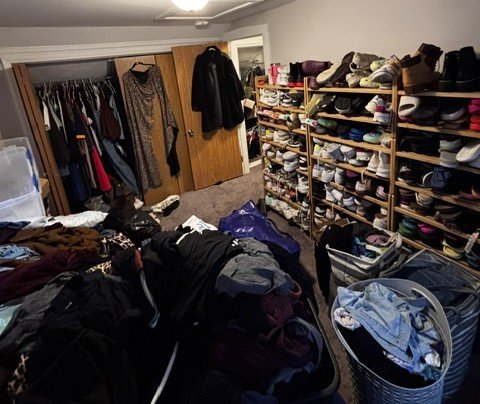
Identify your highest-stress clutter zones: the spaces that consistently make you feel tense, anxious or overwhelmed when you enter them. For many people, this is the bedroom, the kitchen counter or the home office. These are the spaces to prioritize first. Clearing them delivers the greatest mental health return on the time and energy invested.
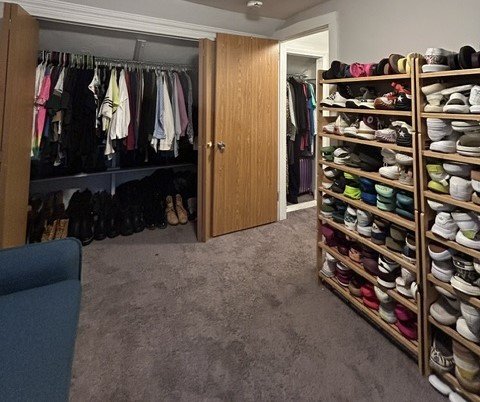
Start with surface clearing, the fastest, most visually impactful form of decluttering. Clear one surface completely. Wipe it down. Step back and notice how the space feels. That shift in your nervous system is real, immediate and worth paying attention to. Build from that win, one surface at a time, until the spaces that were causing you the most anxiety begin to feel genuinely calm.
Your Space Is Not Separate from Your Mental Health
The relationship between clutter and anxiety is not a personality quirk or a sign of weakness. It is biology. It is psychology. It is the very human reality that the spaces we inhabit have a profound and ongoing influence on how we feel, how we think and how we move through the world.
At SloanyCo, we believe that addressing your physical space is one of the most direct and effective things you can do for your mental health. The moment a space begins to clear, something shifts: you breathe deeper and mind quiets. Finally, your nervous system has the signal that you are safe, you are in control and everything is going to be okay.
Ready to address the anxiety your space has been carrying? Visit sloanyco.com to learn more about our mental health-focused organizing services and book your free consultation with SloanyCo today.
Building a Daily 10-Minute Tidy Habit
What if ten minutes a day was all it took to maintain a home that felt calm, manageable and genuinely yours? SloanyCo's guide to building a daily tidy habit shows you exactly how to make it stick and why it works.
The simple daily routine that transforms your home AND your mind.
Most people think of organizing as a big event: a weekend project, a seasonal overhaul, a major effort reserved for when things have gotten truly out of hand. And while those bigger sessions absolutely have their place, there is a quieter, more sustainable approach that most people overlook entirely: the daily 10-minute tidy.
Ten minutes. That is less time than it takes to watch a YouTube video, scroll through your social media feed or wait for your coffee to brew. When done consistently, those ten minutes have the power to transform not just how your home looks, but how your home feels and how you feel in it.
In this post, we are walking through exactly how to build a daily tidy habit that actually sticks outlining the right time to do it, the right approach to take and the surprisingly powerful effect it has on your mental health over time.
Why 10 Minutes Works When Bigger Efforts Do Not
The reason most organizing efforts fail is not lack of motivation, it is lack of sustainability. A three-hour Saturday deep clean feels productive in the moment, but it is not something most people can or will do consistently. And consistency is the only thing that actually maintains an organized home.
Ten minutes is the sweet spot. It is short enough that the resistance to starting is almost nonexistent. You can do ten minutes even on your most tired, most overwhelmed, most “I-do-not-feel-like-it” days. Additionally, it is long enough to make a meaningful, visible difference in your space.
The daily tidy habit works on the same principle as compound interest: small, consistent deposits over time produce results that feel disproportionately large. Ten minutes a day is seventy minutes a week, more than an hour of maintenance time, spread across seven days in a way that never feels like a burden.
When to Do It and How to Start
The most effective time for a daily tidy is one that is already anchored to an existing habit. Before bed is the most popular choice. Tidying before you sleep means you wake up to a calm, reset space and your morning starts from a place of ease rather than chaos. Still, if morning works better for you or if a midday reset fits your schedule, those work too. The best time is the time you will actually do it.
To start, keep it as simple as possible. Pick one area, not the whole house, just one area and spend your ten minutes there. A kitchen reset. A bedroom surface clear. A living room straighten. A contained start prevents the overwhelm that causes people to abandon new habits before they have had a chance to take root.
After a week or two of doing this consistently, expand slightly. Add a second area. Build a simple circuit (kitchen, then living room, then bedroom) that you move through in your ten minutes. Keep the circuit short enough that it fits comfortably in the time without feeling rushed or incomplete.

Making It Stick: The Habit Science
The habits that stick are the ones that become automatic: cued by context, rewarded by feeling and repeated until they require no conscious decision to begin. The key elements are a trigger, a routine and a reward.
For your tidy habit: the trigger is your chosen time anchor (after dinner, before bed, with your morning coffee, etc). The routine is your tidy circuit. The reward is the real feeling of a reset space. Walking through a tidied home before you go to sleep genuinely feels different from walking through a chaotic one. That feeling is your brain's natural reinforcement.
One other habit principle worth knowing: do not break the chain. Maintaining a streak, even an informal one, significantly increases the likelihood of a habit persisting. A simple tally on a sticky note, a checkmark in your planner or a habit tracking app can be enough to keep the momentum going through the days when motivation is lower.
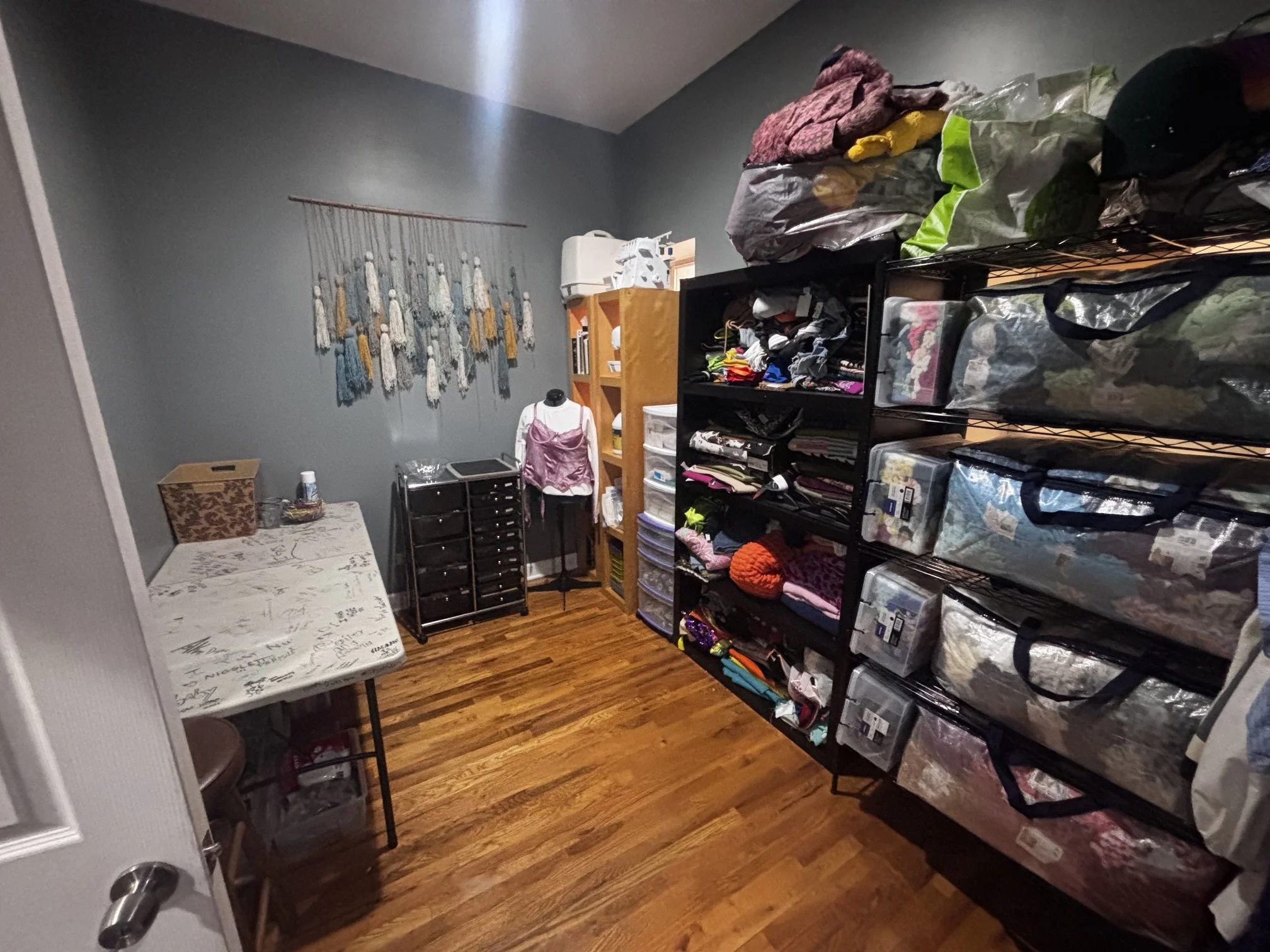
The Mental Health Case for a Daily Tidy
One other habit principle worth knowing: do not break the chain. Maintaining a streak, even an informal one, significantly increases the likelihood of a habit persisting. A simple tally on a sticky note, a checkmark in your planner or a habit tracking app can be enough to keep the momentum going through the days when motivation is lower.
There is also the psychological impact of closing what researchers call open loops: the unfinished tasks and unresolved states that quietly drain mental energy in the background. Every item out of place is, on a small level, an open loop. Tidying closes those loops. The cumulative effect of closing dozens of small loops every day is a mental clarity and calm that is hard to describe until you have experienced it.
At SloanyCo, we have seen this play out with clients time and again. The daily tidy habit is often the thing that bridges the gap between a one-time organizing session and a permanently transformed home. It is the habit that makes the hard work last.
Ten Minutes. Every Day. Everything Changes.
The daily 10-minute tidy habit is one of the smallest investments you can make in your home and one of the highest-return habits you can build. It takes less time than most of the things we do without thinking and it delivers something those things rarely do: a home that feels calm, manageable and genuinely yours.
At SloanyCo, we help people build the kind of organized foundation that makes a daily tidy habit easy to maintain. When systems are in place and clutter has been cleared, ten minutes a day is more than enough. And if you are not quite at that starting point yet, we are here to help you get there.
Ready to build a home that supports your daily life and your mental health? Visit sloanyco.com to learn more about our organizing services and book your free consultation with SloanyCo today.
Spring Cleaning: A Fresh Start Guide
Clutter isn't just a physical problem, it's a mental one. Discover how clearing your space can transform your mindset, and whether DIY decluttering or hiring a professional is the right move for you. Because at SloanyCo, we believe one thing above all: a clear space creates a clear mind.
Ready to spring clean but not sure where to start? SloanyCo's fresh start guide walks you through a simple, stress-free approach to refreshing your home this season.
There is something about spring that makes us want to open the windows, breathe in the fresh air and finally deal with everything we let slide through the winter. The coat closet that became a catch-all. The garage that got a little out of hand. The kitchen cabinets you have been meaning to reorganize since last year. Spring has a way of making all of it feel possible.
But spring cleaning can also feel overwhelming before it even begins. Where do you start? How do you stay motivated? What do you actually need to do versus what feels like you should do? These are fair questions and they deserve honest answers.
This guide is designed to make spring cleaning feel approachable, energizing and genuinely satisfying; not like a punishment. We are going to walk through a simple framework for refreshing your home this season, room by room and step by step, with a focus on what actually moves the needle.
Start with a Walk-Through, Not a To-Do List
Before you touch a single thing, walk through your home with fresh eyes. Pretend you are seeing it for the first time. Notice what feels heavy, cluttered or off. Notice what makes you feel good. Make mental notes or jot them down but resist the urge to start cleaning or organizing during this step. This walk-through is purely observational.
The goal is to build a prioritized list based on what actually bothers you most, not what spring cleaning guides say you should do. Maybe your bedroom closet is fine but the garage is genuinely out of control. Maybe the kitchen is your sanctuary but the home office has become a dumping ground. Your spring cleaning should start where your stress is highest, not at room one of someone else's checklist.
Once you have your list, choose your top three priorities. Three. Not ten, not everything on the list. Three. Starting with a focused, completable scope sets you up for momentum rather than burnout.
The Spring Cleaning Zones That Actually Matter
Not all spring cleaning tasks are created equal. Some have a high impact on how your home feels. Others are satisfying in the moment but make little lasting difference. Focus your energy here: windows and natural light (cleaning windows and washing curtains dramatically changes how a room feels and how much light comes in), soft surfaces (washing bedding, throw blankets and pillows that may not have been laundered since fall), entryways and transition spaces (these set the tone for your entire home and are often the most neglected) and the spaces behind and under things (behind the sofa, under the bed, the back of the pantry) as these are where clutter quietly accumulates all winter.
Give yourself permission to skip the tasks that feel obligatory but low-impact. You do not have to scrub every baseboard or reorganize every cabinet to have a genuinely fresh home. Focus on what you will actually feel and see every day.
And remember: spring cleaning does not have to happen in a single weekend. Spreading it across two or three weeks, with one priority area per week, is completely valid and often more sustainable than a single exhausting marathon session.

Set Yourself Up for a Lighter Summer
The real gift of spring cleaning is not just a cleaner home right now, it is the lighter, more manageable home you get to enjoy all summer long. When you take the time to declutter, reorganize and reset in spring, you are not just reacting to winter's accumulation. You are proactively creating a home that serves you better for the months ahead.
Think about what summer looks like in your home. More people in and out? Kids home from school? Outdoor entertaining? Guests visiting? Use your spring clean as an opportunity to set up systems that will make those things easier.
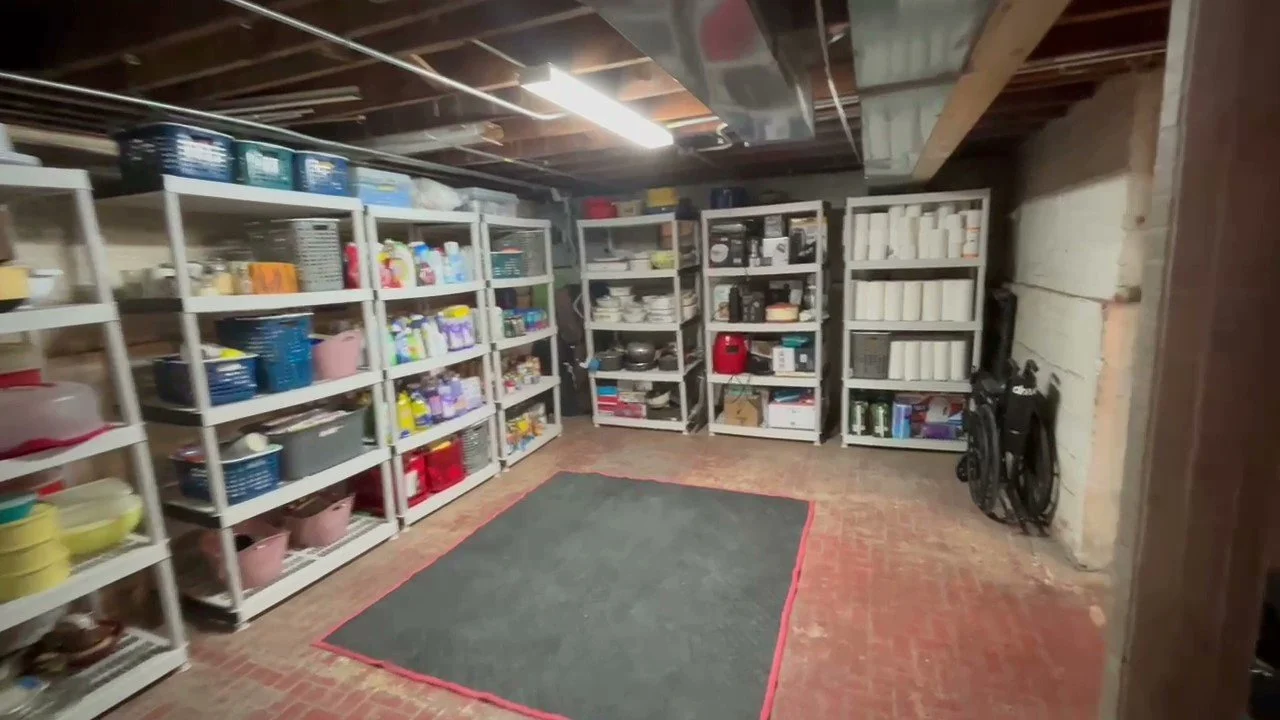
Fresh Space, Fresh Start
Spring cleaning at its best is not about achieving a perfect home. It is about giving yourself a reset; a chance to look around at your space and feel like it is working with you rather than against you. That feeling is worth every bit of effort it takes to get there.
At SloanyCo, we love this time of year because we get to help people experience that reset in a real, lasting way. Whether you need a hand with a single room or want to take on your whole home, we are here for it.
Ready to make this your best spring yet? Visit sloanyco.com to learn more about our organizing and junk removal services, and book your free consultation with SloanyCo today.
DIY Junk Removal vs. When to Call a Professional
Clutter isn't just a physical problem, it's a mental one. Discover how clearing your space can transform your mindset, and whether DIY decluttering or hiring a professional is the right move for you. Because at SloanyCo, we believe one thing above all: a clear space creates a clear mind.
Not sure whether to tackle junk removal yourself or call a pro? Here's how to know which choice is right for your situation, and your sanity.
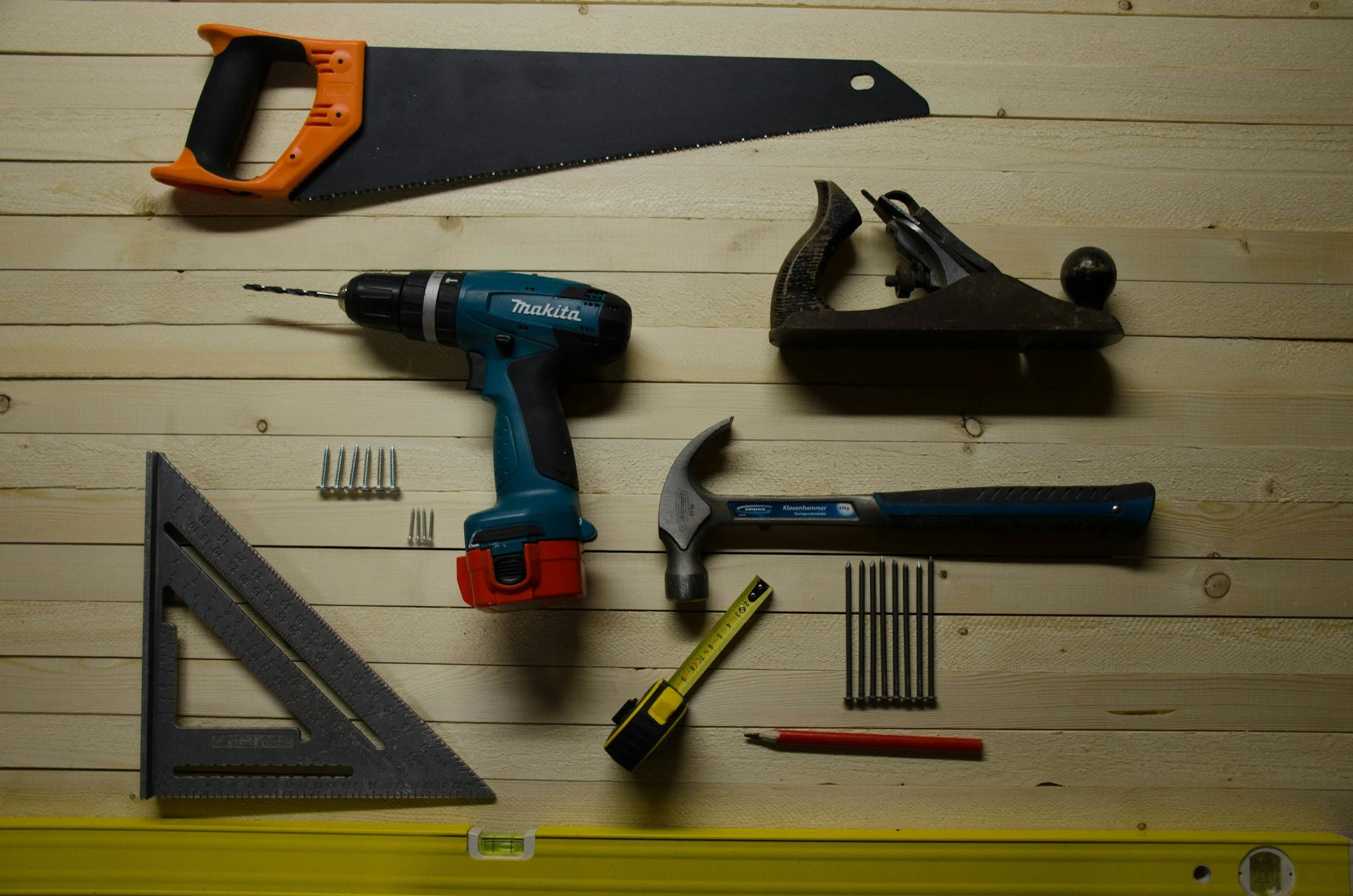
There comes a moment in almost every home cleanout when you look at the pile in front of you and think: should I really be doing this myself? Maybe it's the old couch that won't fit through the door, the garage full of decades-old tools and broken appliances or the basement that's quietly become a storage unit you've been ignoring for years. Whatever the situation, you're not alone in wondering whether to roll up your sleeves or pick up the phone.
DIY junk removal can be a great satisfying, cost-effective and empowering option; it's not always the right call. Knowing when to handle it yourself and when to bring in professionals can save you time, stress, physical strain and sometimes even money in the long run.
In this post, we'll walk through exactly how to make that decision with honesty, practicality and zero judgment. The goal isn't to do it the hard way, the goal is to get it done in a way that works for you.
When DIY Junk Removal Makes Sense
DIY is a great fit when the volume is manageable, the items are lightweight and you have the time and energy to see it through. If you're clearing out a single room, getting rid of a few bags of donations or doing a seasonal refresh of your closets, you probably don't need outside help. A few trips to a donation center or transfer station, and you're done.
DIY also works well when you enjoy the process. Some people find decluttering genuinely therapeutic: a chance to make decisions at their own pace, rediscover forgotten items and feel a direct sense of accomplishment. If that's you, lean into it. Put on a podcast, grab some boxes and go!
The key factors that make DIY realistic: items are light enough to move safely, you have access to a truck or large vehicle, your local donation centers or transfer stations are accessible and the project can be completed in a day or two without it dragging on and causing stress.
When It's Time to Call a Professional
There are situations where trying to DIY junk removal isn't just difficult, it's genuinely not worth it. Heavy, bulky items like furniture, appliances, mattresses and exercise equipment require proper lifting techniques and often more than one person. Attempting to move these items alone is a common cause of back injuries, damaged walls and floors and a lot of frustration.
Volume is another major factor. If you're looking at a full garage, a storage unit, an entire home's worth of items after a move or estate situation, the logistics of DIY quickly become overwhelming. Multiple trips, renting a truck, coordinating disposal…it adds up in time, cost and energy faster than most people anticipate.
A professional should also be called when the items require special disposal like electronics, old paint, certain appliances and even hazardous materials that can't simply go in the trash. A reputable junk removal company will know exactly how to handle these responsibly, keeping you in compliance and keeping the environment protected. Finally, if the emotional weight of the project is heavy — an estate cleanout, a home after a major life transition — having a compassionate professional team by your side can make an enormous difference.

The Hidden Costs of DIY (That People Forget)
DIY always feels cheaper…until you do the math. Truck rental, fuel, transfer station fees, your time and the physical toll of heavy lifting can add up quickly. For a large project, a professional service often comes in at a comparable cost inclusive of labor, hauling, disposal and the peace of mind of having it done correctly and completely.
Next, you have the cost of delay. DIY projects have a way of stretching out (maybe it’s a half-cleared garage unfinished for months or perhaps a pile in the living room repurposed as furniture for the cat) and eventually fade into the background leading to the most substantial cost: your mental health. Each day a space stays cluttered the weight of stress and avoidance pile up and the cognitive load of unfinished tasks start to amass.
When you factor in everything (time, physical energy, disposal fees, mental bandwidth) professional junk removal often delivers more value than it appears to at first glance. The question isn't just 'how much does it cost?' but 'what is staying stuck in this situation costing me?’
A Simple Framework for Deciding
Not sure which way to go? Try asking yourself these four questions.
Can I physically move these items safely on my own or with a friend?
Can I complete this project in one or two focused sessions, or is it likely to drag on?
Do any of these items require special disposal?
What is my emotional relationship with this project — is it energizing or is it draining?
If your answers lean toward physical risk, extended timelines, special disposal needs or emotional heaviness, that's a strong signal that professional support might be the answer for you.
There's no wrong answer here. The goal is a cleared space and a clearer mind, however you get there.
You Don't Have to Figure It Out Alone
Whether you decide to DIY or call for backup, the most important thing is that you make the decision that actually gets the job done for your body, your schedule, and your peace of mind. Clutter has a way of becoming invisible to us over time, but its weight never really goes away. Taking action, in whatever form, is always the right move.
At SloanyCo, we're here for the moments when the project is bigger than a solo job. Whether it's a single heavy item, a full home cleanout, or something in between, our team handles the heavy lifting, literally and figuratively, so you can focus on what comes next: a cleared space and a clearer mind.
Ready to get your space cleared without the stress? Visit sloanyco.com to learn more about our services and book your free consultation with SloanyCo today.